Initial exam
Question for the policy
Are the visit and diagnostic consultation covered?
Evidence to keep
Dated vet assessment and reason for evaluation

Surgical removal of a lump or tumor may be an eligible illness expense, but pathology, medical necessity and a complete chronology matter more than whether the mass turns out benign or malignant.
Use these checkpoints to frame the literal question before reading the full guide.
Many accident-and-illness pet insurance policies can help reimburse medically necessary removal of a tumor or suspicious mass when it arises as an eligible new illness. A benign result does not automatically mean the work was cosmetic, and a cancer diagnosis does not automatically make it covered. Pre-existing findings, waiting periods, elective removal, exclusions, financial limits and each invoice item determine the actual claim. Check the veterinarian’s records and the issued contract.
The sections below show how to verify the answer and what can change it.
Yes, either outcome can occur under different policy facts. A veterinarian may remove a benign mass because it is bleeding, painful, infected, interfering with movement or medically suspicious. Some contracts treat that as a medically necessary illness procedure. Conversely, removal of a malignancy may be ineligible if the mass or related symptoms were present before coverage took effect or during a waiting period. “Benign” and “malignant” are pathology descriptions, not universal insurance approval labels.
Your veterinarian may recommend a fine-needle aspirate, a tissue biopsy, excision of the whole mass or additional imaging. VCA’s explanation of cytology and histopathology notes that a visual impression alone often cannot reliably identify a lump. Pathology can help distinguish types and evaluate margins after removal. An insurer may evaluate diagnostic workup and surgery separately depending on the contract.
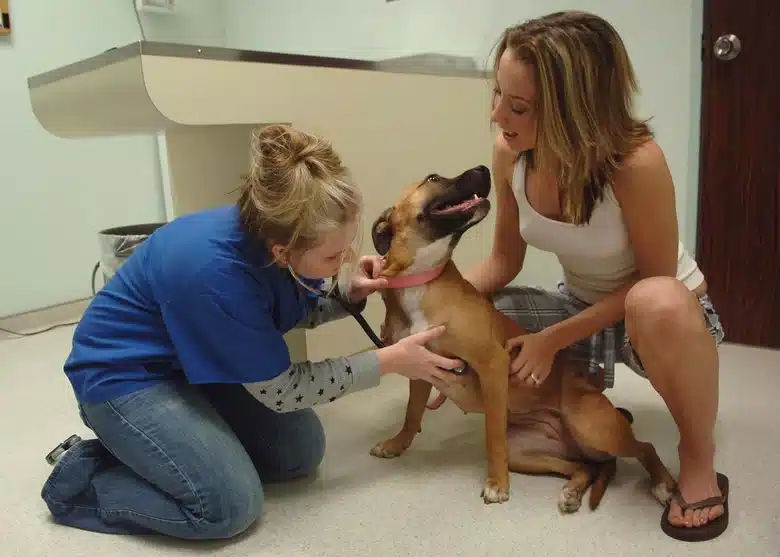
| Bill line | Question for the policy | Evidence to keep |
|---|---|---|
| Initial exam | Are the visit and diagnostic consultation covered? | Dated vet assessment and reason for evaluation |
| Needle sample / biopsy | Is diagnosis of a new eligible illness included? | Lab request, results and invoice |
| Surgery / anesthesia | Was removal medically necessary and eligible? | Procedure note, anesthesia bill and medical rationale |
| Histopathology | Are tissue analysis and margin assessment included? | Pathologist report and itemized charge |
| Follow-up | Are wound rechecks and prescribed medication covered? | Discharge plan, prescriptions and receipts |
Write down when someone first noticed the bump, whether it changed, when a veterinarian first recorded it, when the policy began, when the waiting period ended and why removal was recommended. An owner might have watched a small lump for months and only sought surgery after buying coverage. A later pathology report cannot erase the earlier recorded lump. In another case, a newly appearing mass may be assessed as a new illness if other contract requirements are met.
Previous pet insurance, switching policies and an earlier veterinary note can complicate this timeline. Avoid promising that a new provider will cover existing lesions. Insurers usually ask for medical history to determine whether the condition predates coverage. If the veterinarian considers a mass urgent, treatment timing is a clinical decision; do not defer necessary care for speculative insurance eligibility.
A quote is not coverage confirmation for a lump already observed or an existing surgery plan. Check the policy’s exclusions and waiting periods.
Exclude any ineligible exam fee, cosmetic service or previously documented condition.
Determine how this year’s deductible and co-insurance apply under the issued plan.
Check annual maximum, per-condition limits and any specialist or surgery restrictions.
Illustration only: if a $3,000 itemized surgery and pathology bill contains $2,500 of eligible charges, the policy has $250 deductible remaining and then reimburses 80%, the simplified reimbursement is ($2,500 − $250) × 80% = $1,800, assuming no other applicable limit. The other $500 was not eligible in this example. Real plans may calculate differently. We do not present this as a tumor-removal cost benchmark or an insurer-approved estimate.
Keep the final pathology report, rather than replacing it with a guess that the mass “looked harmless.” If follow-up imaging, chemotherapy or additional surgery is advised, those are subsequent treatment decisions with their own possible expenses and terms. A broad cancer coverage statement does not settle whether all follow-up services are insured. This guide is about the initial tumor-removal decision, not a complete oncology-plan ranking.
A new, growing or changing lump deserves veterinary assessment. Insurance information should never replace the veterinarian’s evaluation or delay urgent care.
Potentially, if medically necessary and otherwise eligible, but purely elective removal and prior findings can change coverage. Read the policy and vet rationale.
The veterinarian decides what diagnostic testing is appropriate. Insurers may need medical records and pathology to assess the diagnosis and covered services.
A previously observed or diagnosed mass may be pre-existing under a new policy. Ask the new carrier to explain the effect of the history.
Not necessarily; check each invoice line and the policy’s diagnostic and surgical coverage clauses.
Compare coverage for future eligible medical events without assuming a known tumor is insured.